
Submission Drawings
A Complete Guide for Architects and Architecture Students
Submission Drawings are among the most important documents in the architectural design and approval process. These drawings communicate a project’s design intent, compliance with local regulations, and technical information required for obtaining approvals from municipal authorities, development authorities, planning departments, and other regulatory agencies.
Accurate and professionally prepared submission drawings help streamline the approval process, reduce delays, and ensure that a project complies with applicable building regulations.
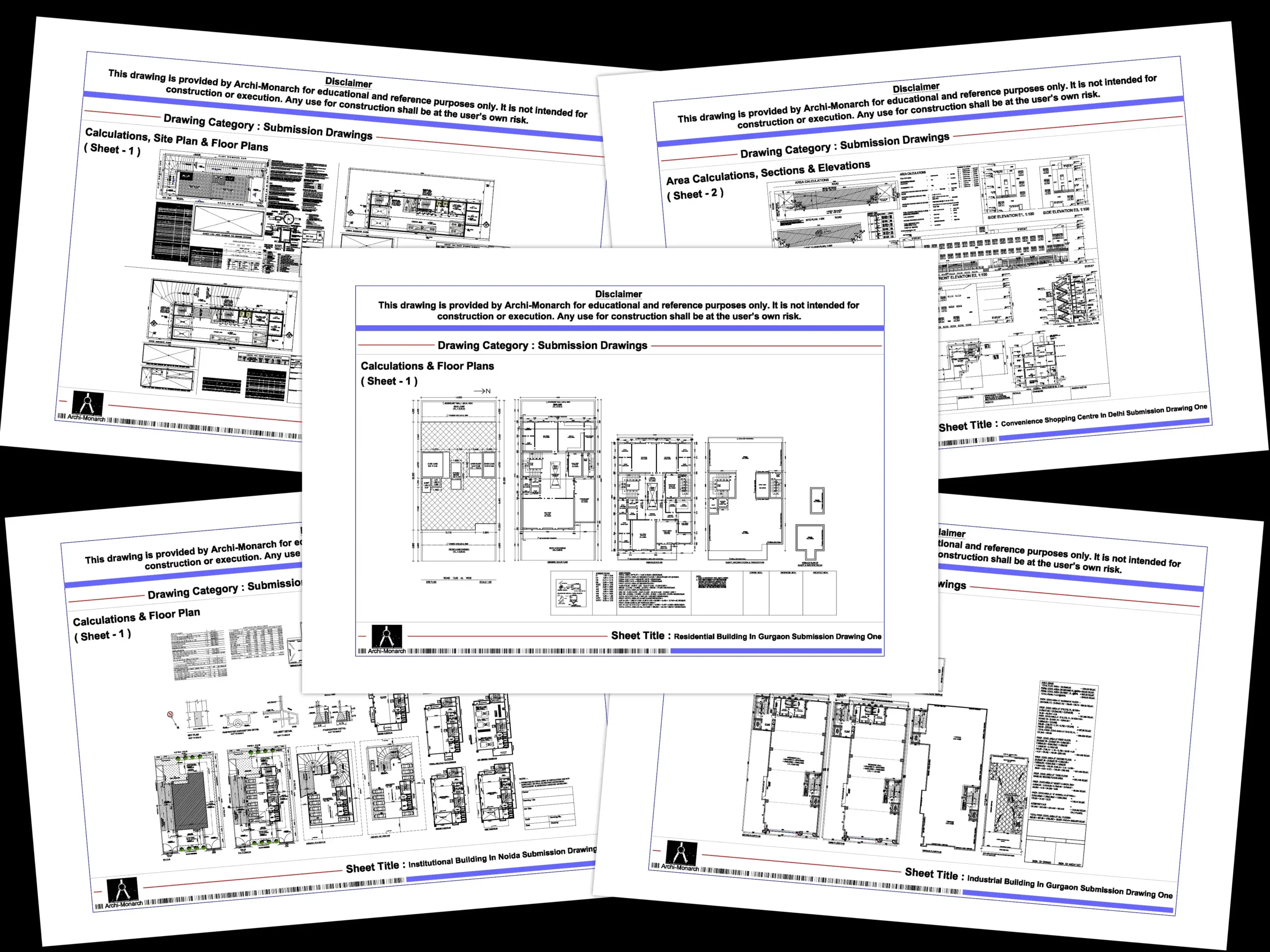
At Archi-Monarch.in, Submission Drawings are available as digital downloadable AutoCAD DWG files for educational and reference use, helping architecture students, designers, and drafting professionals understand industry-standard submission documentation and architectural presentation practices.
What Are Submission Drawings?
Submission Drawings are a set of architectural and technical drawings prepared for review and approval by governing authorities before construction begins.
These drawings provide detailed information regarding:
- Site planning
- Building layouts
- Floor plans
- Elevations
- Sections
- Area calculations
- Parking provisions
- Building setbacks
- Accessibility requirements
- Fire and safety provisions
They demonstrate that the proposed development complies with applicable building codes, zoning regulations, and planning guidelines.
-
-25%
 Quick view
Convenience Shopping Centre In Delhi Submission Drawing One
₹1,000.0Original price was: ₹1,000.0.₹750.0Current price is: ₹750.0. Add to cartAdd to WishlistAdd to Wishlist -
-33%
 Quick view
Industrial Building In Gurgaon Submission Drawing One
₹750.0Original price was: ₹750.0.₹499.0Current price is: ₹499.0. Add to cartAdd to WishlistAdd to Wishlist -
-25%
 Quick view
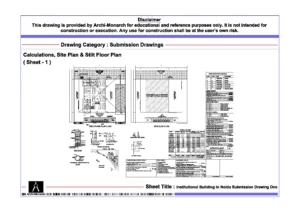
Institutional Building In Noida Submission Drawing One
₹1,000.0Original price was: ₹1,000.0.₹750.0Current price is: ₹750.0. Add to cartAdd to WishlistAdd to Wishlist -
-25%
 Quick view
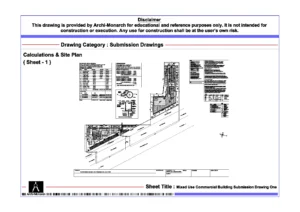
Mixed Use Commercial Building Submission Drawing One
₹2,000.0Original price was: ₹2,000.0.₹1,499.0Current price is: ₹1,499.0. Add to cartAdd to WishlistAdd to Wishlist -
-35%
 Quick view
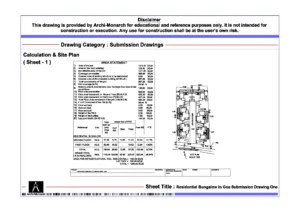
Residential Bungalow In Goa Submission Drawing One
₹1,000.0Original price was: ₹1,000.0.₹650.0Current price is: ₹650.0. Add to cartAdd to WishlistAdd to Wishlist
Importance of Submission Drawings in Architecture
Submission drawings form the foundation of the statutory approval process.
Why Submission Drawings Matter
- Facilitate regulatory approvals
- Demonstrate code compliance
- Reduce approval delays
- Improve project coordination
- Minimize design conflicts
- Support legal documentation
- Provide a clear construction reference
Well-prepared drawings improve communication between architects, consultants, clients, and authorities.
Components of Submission Drawings
A complete submission package includes several interconnected drawings and documents.
1. Site Plan Drawings
The site plan shows the relationship between the building and the surrounding property.
Typical Information Included
- Plot boundaries
- Road access
- Building footprint
- Setbacks
- Landscape areas
- Parking zones
- Utility connections
Benefits
- Demonstrates zoning compliance
- Shows site utilization
- Improves planning coordination
2. Floor Plan Drawings
Floor plans provide detailed information about internal layouts and spatial organization.
Common Components
- Room layouts
- Dimensions
- Wall locations
- Door and window positions
- Circulation spaces
- Area calculations
These drawings are fundamental for design review and approval.
3. Building Elevation Drawings
Elevations illustrate the external appearance of the building.
Information Typically Included
- Façade treatments
- Building heights
- Material indications
- Architectural features
- Openings and projections
Elevations help authorities assess aesthetic and regulatory compliance.
4. Building Sections
Sections show vertical relationships and construction information.
Key Elements
- Floor-to-floor heights
- Structural levels
- Staircases
- Roof systems
- Foundation references
Sections help reviewers understand building proportions and vertical circulation.
5. Area Statement Drawings
Area statements summarize built-up areas and development calculations.
Common Calculations
- Plot area
- Ground coverage
- Built-up area
- Floor Area Ratio (FAR)
- Floor Space Index (FSI)
- Landscape area
- Parking calculations
Accurate area calculations are essential for approval documentation.
6. Parking Layout Drawings
Parking plans demonstrate compliance with local parking requirements.
Components
- Vehicle parking spaces
- Driveways
- Turning radii
- Accessibility parking
- Traffic circulation
Proper parking planning improves functionality and approval success.
7. Accessibility Drawings
Accessibility documentation demonstrates inclusive design compliance.
Typical Features
- Accessible ramps
- Lift locations
- Accessible toilets
- Barrier-free circulation paths
These drawings support universal design principles.
Types of Submission Drawings
Different authorities and project types require different submission documents.
Residential Submission Drawings
Prepared for houses, villas, and apartment developments.
Common Components
- Site plans
- Floor plans
- Elevations
- Area statements
Commercial Submission Drawings
Used for office buildings, retail spaces, and mixed-use projects.
Additional Requirements
- Parking studies
- Fire safety provisions
- Service layouts
Institutional Submission Drawings
Prepared for schools, colleges, hospitals, and public facilities.
Key Considerations
- Occupancy calculations
- Accessibility compliance
- Emergency circulation
Industrial Submission Drawings
Used for manufacturing facilities and warehouses.
Typical Elements
- Site circulation plans
- Utility layouts
- Fire safety infrastructure
Common Components Included in Submission Drawing Sets
Professional submission packages contain numerous technical elements.
Essential Components
Cover Sheet
Includes project information and drawing index.
Key Plans
Show project location and surrounding context.
Site Development Plans
Illustrate overall site organization.
Architectural Plans
Provide detailed spatial layouts.
Elevations and Sections
Show building appearance and vertical relationships.
Area Statements
Present regulatory calculations.
Notes and Specifications
Provide design and compliance information.
These components help create a complete and review-ready submission package.
Benefits of Using Submission Drawings from Archi-Monarch.in
Professionally drafted submission drawings offer valuable educational and practical benefits.
Key Benefits
- Ready-to-use AutoCAD DWG files
- Industry-standard documentation formats
- Educational and reference-oriented content
- Improved understanding of approval processes
- Time-saving drafting support
- Easy customization for project requirements
These resources help users strengthen technical documentation and architectural presentation skills.
Best Practices for Preparing Submission Drawings
Successful approval documentation requires accuracy and coordination.
Verify Local Building Regulations
Review applicable development control rules and zoning requirements before drafting.
Maintain Drawing Consistency
Ensure dimensions, levels, and annotations remain consistent across all sheets.
Prepare Accurate Area Statements
Verify all calculations before submission.
Coordinate with Consultants
Integrate structural, MEP, and fire safety information where required.
Use Clear Graphic Standards
Maintain legibility through proper line weights, symbols, and annotations.
Review Before Submission
Conduct quality checks to minimize approval delays and revisions.
How to Create Effective Submission Drawings
Developing professional submission drawings requires a structured workflow.
Step-by-Step Process
1. Gather Project Requirements
Review client objectives, site information, and regulatory guidelines.
2. Develop Preliminary Design
Prepare conceptual layouts and site planning strategies.
3. Create Architectural Drawings
Develop plans, elevations, sections, and supporting documents.
4. Calculate Development Parameters
Prepare FAR, FSI, coverage, and parking calculations.
5. Coordinate Consultant Inputs
Incorporate structural and service-related information.
6. Perform Final Quality Review
Verify compliance and drawing accuracy before submission.
Use Cases of Submission Drawings
Submission drawings are required for a wide variety of projects.
Common Applications
- Residential houses
- Apartment developments
- Commercial office buildings
- Shopping centers
- Hotels and resorts
- Educational institutions
- Hospitals
- Industrial facilities
- Mixed-use developments
- Township projects
Each project requires documentation tailored to local approval requirements.
Submission Drawings for Educational and Reference Use
Understanding submission documentation is an essential part of architectural education and professional practice.
Educational Benefits
- Learn statutory approval procedures
- Understand development regulations
- Improve technical drafting skills
- Develop documentation expertise
- Study building code compliance
- Strengthen professional portfolios
Archi-Monarch.in provides Submission Drawings specifically for educational and reference use, helping students and professionals gain practical exposure to architectural approval documentation and regulatory planning.
Conclusion
Submission Drawings are a critical part of the architectural approval process, ensuring compliance with regulations, facilitating project approvals, and supporting effective communication between stakeholders. Accurate and professionally prepared drawings improve efficiency, reduce approval delays, and contribute to successful project execution.
For architecture students, designers, and drafting professionals, mastering submission drawing preparation is a valuable skill that strengthens technical expertise and professional practice.
Archi-Monarch.in offers professionally drafted Submission Drawings in AutoCAD DWG format for educational and reference use, helping users enhance their understanding of architectural approval documentation, planning standards, and construction coordination.
Internal-Link-Friendly Related Topics
Readers interested in Submission Drawings may also explore:
Related Architectural Categories
- Architectural Standard Details
- Architectural Construction Details
- Elevation Details
- Door & Window Details
- Fire Fighting Details
- Lift Details
- Staircase Related Details
- Ramp Related Details
- AutoCAD Blocks
- SketchUp Files
These resources help users develop a comprehensive understanding of architectural documentation, planning regulations, and construction detailing.
Recent Posts
Blog Categories
Featured Drawings
-
-15%
 Quick view
Toilet Detail Fifty
₹350.0Original price was: ₹350.0.₹299.0Current price is: ₹299.0. Add to cartAdd to WishlistAdd to Wishlist -
-34%
 Quick view
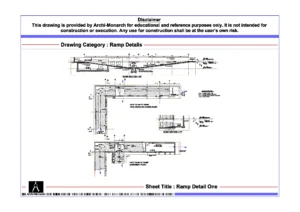
Ramp Detail One
₹300.0Original price was: ₹300.0.₹199.0Current price is: ₹199.0. Add to cartAdd to WishlistAdd to Wishlist -
-25%
 Quick view
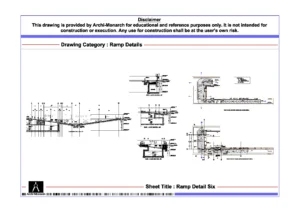
Ramp Detail Six
₹300.0Original price was: ₹300.0.₹225.0Current price is: ₹225.0. Add to cartAdd to WishlistAdd to Wishlist -
-15%
 Quick view
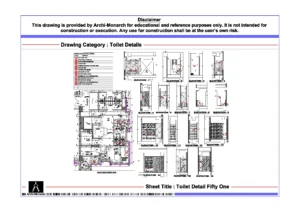
Toilet Detail Fifty One
₹350.0Original price was: ₹350.0.₹299.0Current price is: ₹299.0. Add to cartAdd to WishlistAdd to Wishlist -
-15%
 Quick view
Toilet Detail Fifty Two
₹350.0Original price was: ₹350.0.₹299.0Current price is: ₹299.0. Add to cartAdd to WishlistAdd to Wishlist -
-35%
 Quick view
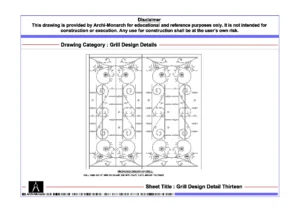
Grill Design Detail Thirteen
₹75.0Original price was: ₹75.0.₹49.0Current price is: ₹49.0. Add to cartAdd to WishlistAdd to Wishlist -
-30%
 Quick view
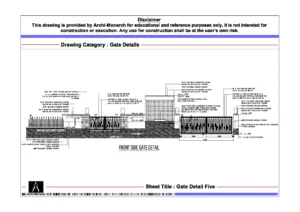
Gate Detail Five
₹250.0Original price was: ₹250.0.₹175.0Current price is: ₹175.0. Add to cartAdd to WishlistAdd to Wishlist -
-15%
 Quick view
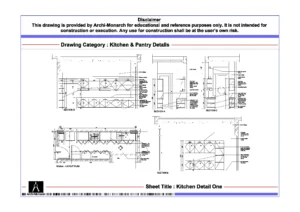
Kitchen Detail One
₹175.0Original price was: ₹175.0.₹149.0Current price is: ₹149.0. Add to cartAdd to WishlistAdd to Wishlist -
-57%
 Quick view
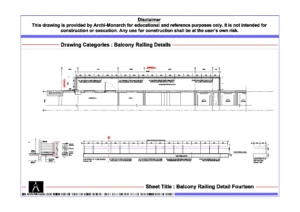
Balcony Railing Detail Fourteen
₹175.0Original price was: ₹175.0.₹75.0Current price is: ₹75.0. Add to cartAdd to WishlistAdd to Wishlist -
-34%
 Quick view
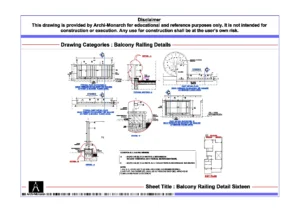
Balcony Railing Detail Sixteen
₹150.0Original price was: ₹150.0.₹99.0Current price is: ₹99.0. Add to cartAdd to WishlistAdd to Wishlist