
Landscape Section Details
A Complete Guide for Architects and Architecture Students
Landscape section details are among the most important technical drawings in landscape architecture and site development. While plans illustrate the horizontal arrangement of landscape elements, section drawings reveal vertical relationships, construction layers, material assemblies, grading, drainage systems, and planting details. They help architects, landscape architects, engineers, and contractors understand how every component is constructed from the foundation upward.
Professionally prepared Landscape Section Details improve construction accuracy, enhance coordination between architectural and landscape disciplines, and minimize site execution errors. These drawings are essential for documenting retaining walls, pavements, planters, water bodies, seating areas, pathways, boundary walls, pergolas, and other landscape features.
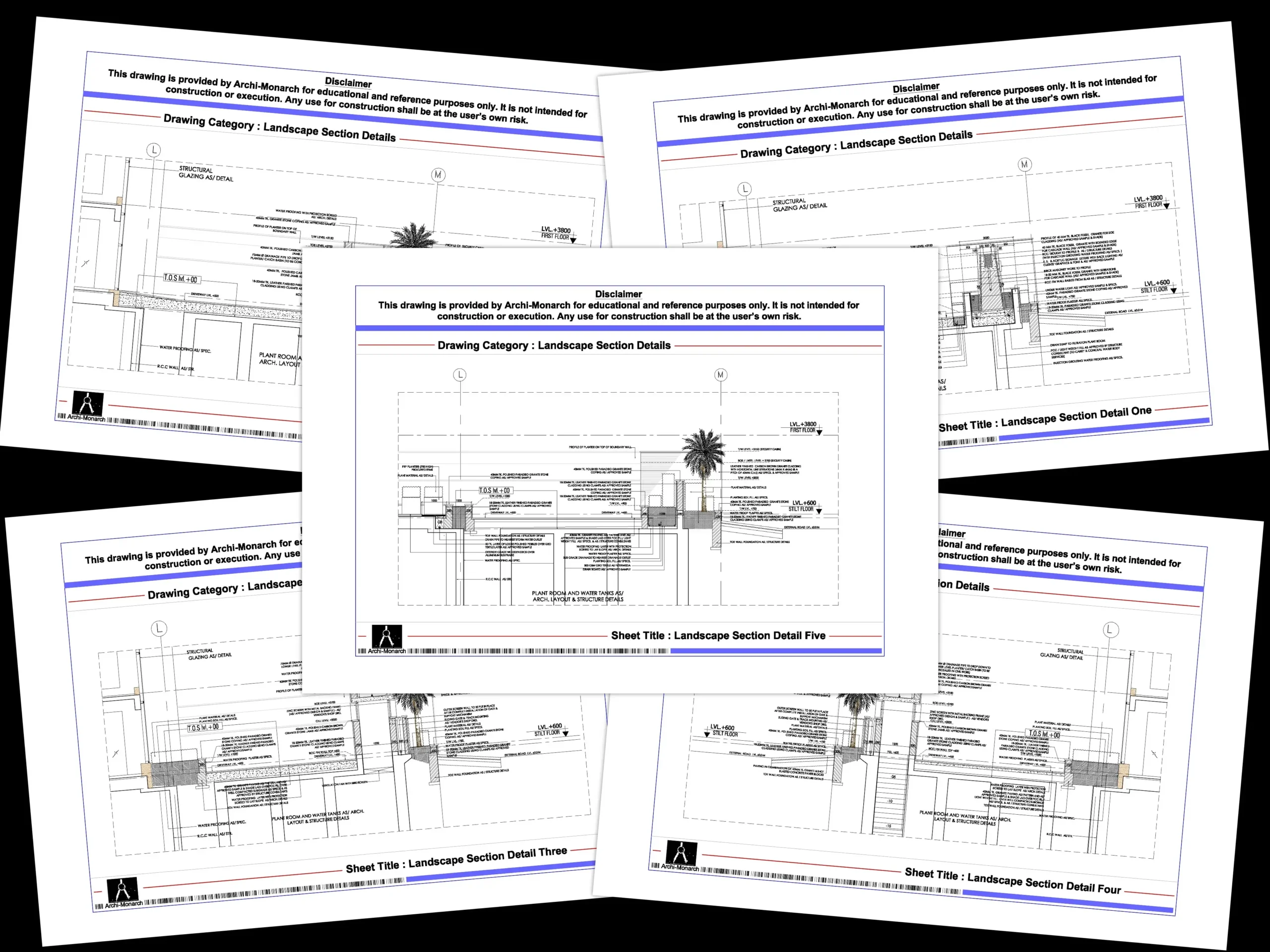
At Archi-Monarch.in, Landscape Section Details are available as digital downloadable AutoCAD DWG files for educational and reference use, helping architecture students, landscape architects, and drafting professionals understand industry-standard landscape construction detailing and technical documentation.
What Are Landscape Section Details?
Landscape Section Details are vertical cut-through drawings that illustrate the internal construction of landscape elements, including dimensions, material layers, structural components, drainage provisions, foundations, and finishes.
A professional Landscape Section drawing set typically includes:
- Landscape cross sections
- Longitudinal sections
- Pavement build-up details
- Planter sections
- Retaining wall sections
- Boundary wall sections
- Water body sections
- Stair and ramp sections
- Foundation details
- Drainage sections
- Irrigation coordination
- Planting profiles
- Material specifications
- Construction notes
These drawings ensure proper coordination between architectural, structural, civil, landscape, and MEP disciplines.
-
-27%
 Quick view
Landscape Section Detail One
₹135.0Original price was: ₹135.0.₹99.0Current price is: ₹99.0. Add to cartAdd to WishlistAdd to Wishlist -
-17%
 Quick view
Landscape Section Detail Three
₹150.0Original price was: ₹150.0.₹125.0Current price is: ₹125.0. Add to cartAdd to WishlistAdd to Wishlist -
-17%
 Quick view
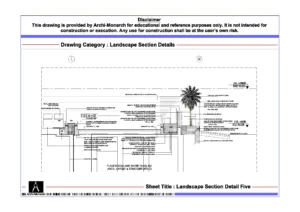
Landscape Section Detail Five
₹150.0Original price was: ₹150.0.₹125.0Current price is: ₹125.0. Add to cartAdd to WishlistAdd to Wishlist -
-21%
 Quick view
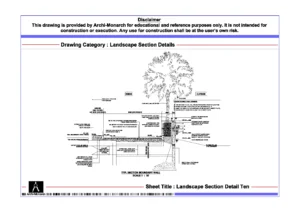
Landscape Section Detail Ten
₹125.0Original price was: ₹125.0.₹99.0Current price is: ₹99.0. Add to cartAdd to WishlistAdd to Wishlist -
-8%
 Quick view
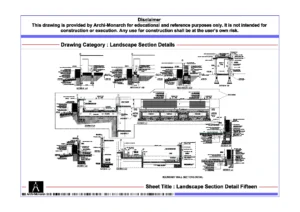
Landscape Section Detail Fifteen
₹300.0Original price was: ₹300.0.₹275.0Current price is: ₹275.0. Add to cartAdd to WishlistAdd to Wishlist -
-15%
 Quick view
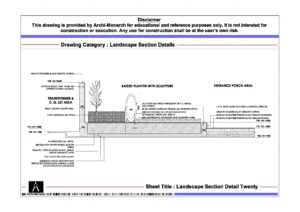
Landscape Section Detail Twenty
₹100.0Original price was: ₹100.0.₹85.0Current price is: ₹85.0. Add to cartAdd to WishlistAdd to Wishlist -
-35%
 Quick view
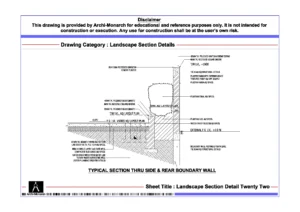
Landscape Section Detail Twenty Two
₹75.0Original price was: ₹75.0.₹49.0Current price is: ₹49.0. Add to cartAdd to WishlistAdd to Wishlist
Importance of Landscape Section Details
Section drawings provide critical information that cannot be conveyed through plans alone.
Why Landscape Section Details Matter
- Explain vertical construction assemblies
- Improve grading and level coordination
- Illustrate foundation requirements
- Coordinate drainage systems
- Support accurate material installation
- Improve construction quality
- Reduce site conflicts
- Enhance communication among project teams
Well-prepared section drawings ensure that landscape features are built exactly as intended.
Major Components of Landscape Section Details
Professional landscape section drawings contain numerous construction elements.
1. Ground Profile
The ground profile establishes the relationship between existing and proposed site levels.
Typical Information
- Existing ground level
- Finished ground level
- Cut and fill areas
- Finished floor levels
- Landscape grading
- Slope transitions
Accurate grading improves drainage and site functionality.
2. Pavement Build-Up Sections
Pavement sections show the complete layer composition.
Common Layers
- Surface finish
- Bedding layer
- Sand cushion
- Granular sub-base
- Compacted soil
- Edge restraints
Proper pavement detailing improves durability and load distribution.
3. Planter Sections
Planter sections explain the internal construction required for healthy plant growth.
Typical Components
- Planting soil
- Drainage layer
- Filter fabric
- Waterproofing
- Root barrier
- Irrigation pipe
- Overflow outlet
These details support long-term landscape performance.
4. Retaining Wall Sections
Retaining wall sections illustrate structural support for varying site levels.
Components
- RCC footing
- Wall reinforcement
- Backfill
- Drainage board
- Weep holes
- Waterproofing
- Filter media
Proper detailing prevents soil pressure failures and water accumulation.
5. Water Body Sections
Water features require detailed sectional drawings.
Typical Information
- RCC structure
- Waterproofing membrane
- Coping
- Water depth
- Filtration system
- Plumbing coordination
Sections help ensure leak-free construction.
6. Planting Sections
Planting sections define soil preparation and planting methods.
Common Information
- Root ball depth
- Soil profile
- Mulching
- Irrigation
- Tree support
- Drainage
Proper detailing promotes healthy vegetation.
7. Foundation Details
Many landscape elements require structural foundations.
Common Components
- PCC layer
- RCC footing
- Reinforcement
- Anchor bolts
- Foundation depth
- Soil bearing considerations
These details improve stability and longevity.
Types of Landscape Section Details
Different landscape features require different sectional drawings.
Pavement Sections
Used for pathways, plazas, driveways, and pedestrian zones.
Applications
- Stone paving
- Concrete paving
- Interlocking pavers
- Granite paving
- Brick paving
Planter Sections
Suitable for raised planters and landscape beds.
Benefits
- Healthy root development
- Proper drainage
- Waterproofing coordination
- Irrigation integration
Water Feature Sections
Used for ponds, fountains, and reflecting pools.
Advantages
- Structural clarity
- Waterproofing guidance
- Plumbing coordination
- Construction accuracy
Retaining Wall Sections
Required wherever level differences occur.
Common Uses
- Garden terraces
- Basement landscapes
- Sloping sites
- Roadside developments
Stair and Ramp Sections
Show vertical circulation details.
Components
- Riser dimensions
- Tread construction
- Reinforcement
- Finishes
- Handrails
Boundary Wall Sections
Explain wall construction below and above ground.
Typical Details
- Footings
- Masonry
- Coping
- Waterproofing
- Drainage
Common Components Included in Landscape Section Details
Professional drawing sets provide comprehensive construction information.
Cross Sections
Illustrate vertical relationships between site elements.
Longitudinal Sections
Show changes in levels across longer distances.
Material Layers
Identify construction materials from top surface to foundation.
Structural Details
Specify reinforcement, concrete sections, and foundation systems.
Drainage Details
Coordinate water management throughout the landscape.
Construction Notes
Provide installation standards and execution requirements.
Material Specifications
Define concrete grades, paving materials, waterproofing systems, soil mixes, and finishes.
Benefits of Using Landscape Section Details from Archi-Monarch.in
Professionally prepared DWG files offer practical and educational value.
Key Benefits
- Ready-to-use AutoCAD DWG drawings
- Industry-standard construction detailing
- Educational and reference-focused resources
- Improved understanding of landscape construction
- Time-saving drafting references
- Easy customization for different project types
- Better interdisciplinary coordination
These resources support technical learning while improving drafting efficiency.
Best Practices for Landscape Section Detailing
Successful section drawings require careful planning and technical accuracy.
Coordinate Site Levels
Maintain consistency between plans, sections, and elevations.
Show Complete Material Assemblies
Clearly indicate all construction layers from finish to foundation.
Include Drainage Systems
Ensure proper surface and subsurface water management.
Detail Structural Components
Coordinate foundations and reinforcement with engineering requirements.
Label Materials Clearly
Use consistent annotations and symbols throughout the drawing set.
Maintain Standard Drawing Scales
Prepare readable sections suitable for construction documentation.
How to Create Effective Landscape Section Details
Professional documentation follows a structured process.
Step-by-Step Process
1. Study Site Topography
Analyze contours, levels, slopes, and existing conditions.
2. Develop Landscape Design
Establish pathways, planting, water features, and site structures.
3. Prepare Construction Sections
Illustrate all vertical construction assemblies.
4. Coordinate Structural and MEP Services
Integrate foundations, drainage, irrigation, and electrical systems.
5. Add Material Specifications
Clearly define every construction material and finish.
6. Review Drawing Coordination
Verify consistency with plans, elevations, and construction details.
Use Cases of Landscape Section Details
Landscape section drawings are required across numerous project types.
Common Applications
- Residential villas
- Apartment landscapes
- Luxury housing developments
- Hotels and resorts
- Office campuses
- Educational institutions
- Hospitals
- Public parks
- Botanical gardens
- Commercial developments
- Government campuses
- Urban plazas
- Recreational facilities
- Mixed-use developments
Each project benefits from detailed sectional documentation that improves construction accuracy and landscape quality.
Landscape Section Details for Educational and Reference Use
Landscape section drawing is a core skill in architectural and landscape documentation.
Educational Benefits
- Learn professional drafting standards
- Improve AutoCAD documentation skills
- Understand construction assemblies
- Study grading and drainage systems
- Develop technical detailing knowledge
- Build professional portfolios
Archi-Monarch.in provides Landscape Section Details specifically for educational and reference use, helping students and professionals understand landscape construction, grading, material coordination, structural detailing, and industry-standard architectural documentation.
Conclusion
Landscape Section Details are an essential part of professional architectural and landscape construction documentation. They illustrate vertical relationships, construction assemblies, structural foundations, drainage systems, and material layers that cannot be fully represented in plan drawings. Accurate section details improve construction quality, reduce site errors, and ensure seamless coordination between architectural, structural, civil, and landscape disciplines.
For architecture students, landscape architects, and drafting professionals, mastering landscape section detailing is a valuable skill that supports successful site development and high-quality construction documentation.
Archi-Monarch.in offers professionally prepared Landscape Section Details in AutoCAD DWG format for educational and reference use, enabling users to strengthen their understanding of landscape construction, grading, material coordination, and industry-standard architectural drafting.
Internal-Link-Friendly Related Topics
Readers interested in Landscape Section Details may also explore:
Related Architectural Categories
- Landscape Standard Details
- Water Body Details
- Landscape Boundary Wall Details
- Boundary Wall Details
- Pergola Details
- Fencing Details
- Gate Details
- Canopy Details
- Ramp Details
- Staircase Details
- Architectural Construction Details
- Architectural Standard Details
- Working Drawings
- AutoCAD Blocks
- SketchUp Files
These related resources help users develop a comprehensive understanding of landscape architecture, site development, construction detailing, and professional drafting practices.
Recent Posts
Blog Categories
Featured Drawings
-
-15%
 Quick view
Toilet Detail Fifty
₹350.0Original price was: ₹350.0.₹299.0Current price is: ₹299.0. Add to cartAdd to WishlistAdd to Wishlist -
-34%
 Quick view
Ramp Detail One
₹300.0Original price was: ₹300.0.₹199.0Current price is: ₹199.0. Add to cartAdd to WishlistAdd to Wishlist -
-25%
 Quick view
Ramp Detail Six
₹300.0Original price was: ₹300.0.₹225.0Current price is: ₹225.0. Add to cartAdd to WishlistAdd to Wishlist -
-15%
 Quick view
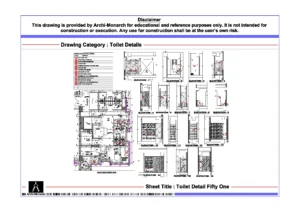
Toilet Detail Fifty One
₹350.0Original price was: ₹350.0.₹299.0Current price is: ₹299.0. Add to cartAdd to WishlistAdd to Wishlist -
-15%
 Quick view
Toilet Detail Fifty Two
₹350.0Original price was: ₹350.0.₹299.0Current price is: ₹299.0. Add to cartAdd to WishlistAdd to Wishlist -
-35%
 Quick view
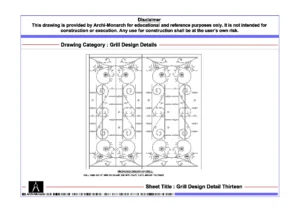
Grill Design Detail Thirteen
₹75.0Original price was: ₹75.0.₹49.0Current price is: ₹49.0. Add to cartAdd to WishlistAdd to Wishlist -
-30%
 Quick view
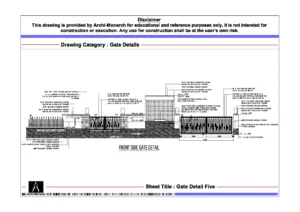
Gate Detail Five
₹250.0Original price was: ₹250.0.₹175.0Current price is: ₹175.0. Add to cartAdd to WishlistAdd to Wishlist -
-15%
 Quick view
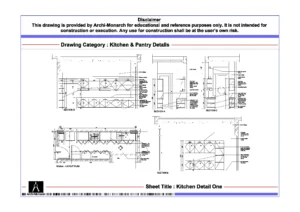
Kitchen Detail One
₹175.0Original price was: ₹175.0.₹149.0Current price is: ₹149.0. Add to cartAdd to WishlistAdd to Wishlist -
-57%
 Quick view
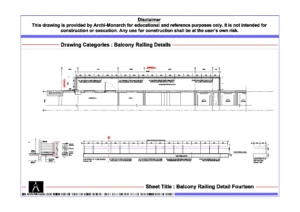
Balcony Railing Detail Fourteen
₹175.0Original price was: ₹175.0.₹75.0Current price is: ₹75.0. Add to cartAdd to WishlistAdd to Wishlist -
-34%
 Quick view
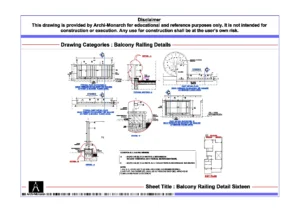
Balcony Railing Detail Sixteen
₹150.0Original price was: ₹150.0.₹99.0Current price is: ₹99.0. Add to cartAdd to WishlistAdd to Wishlist