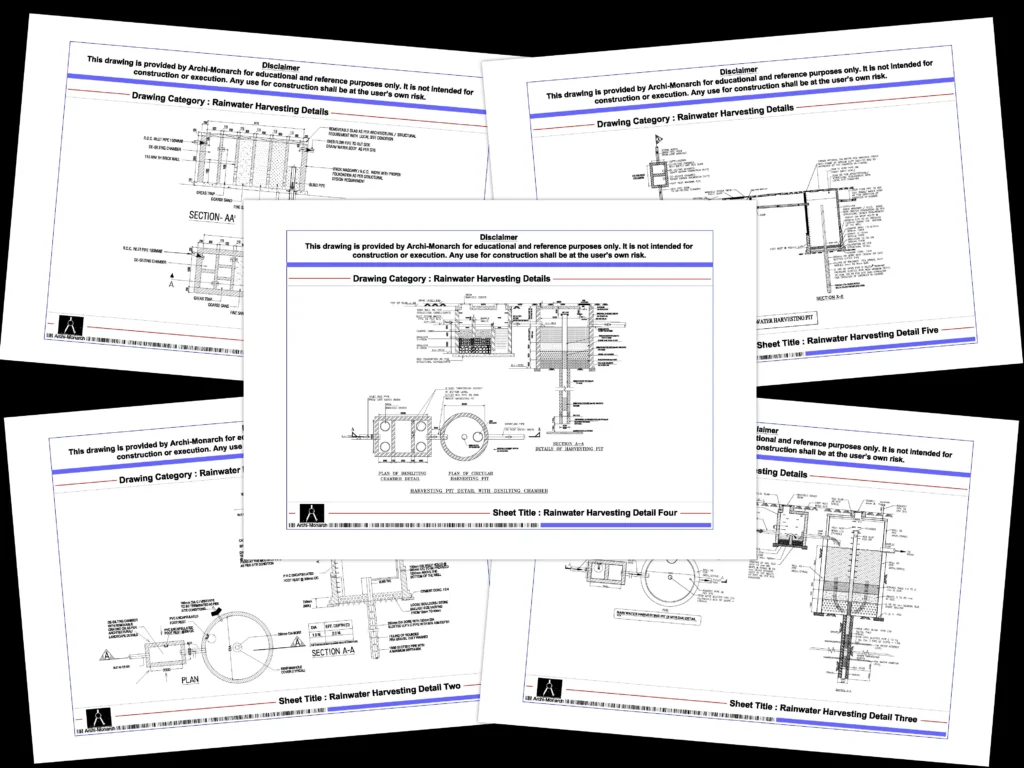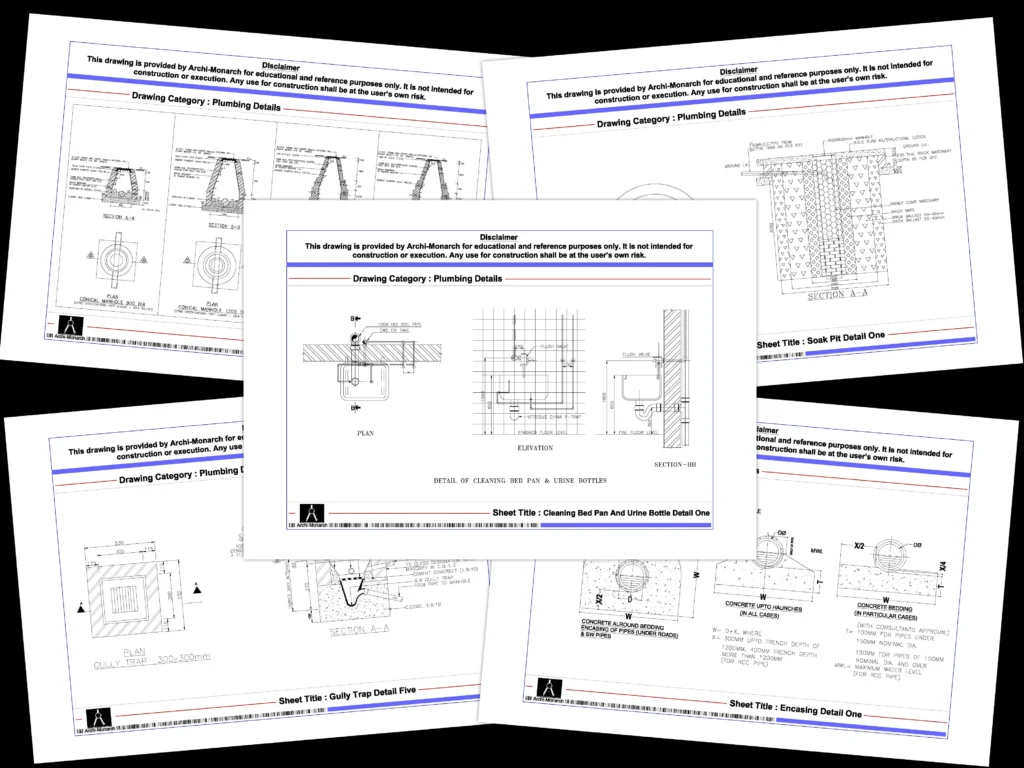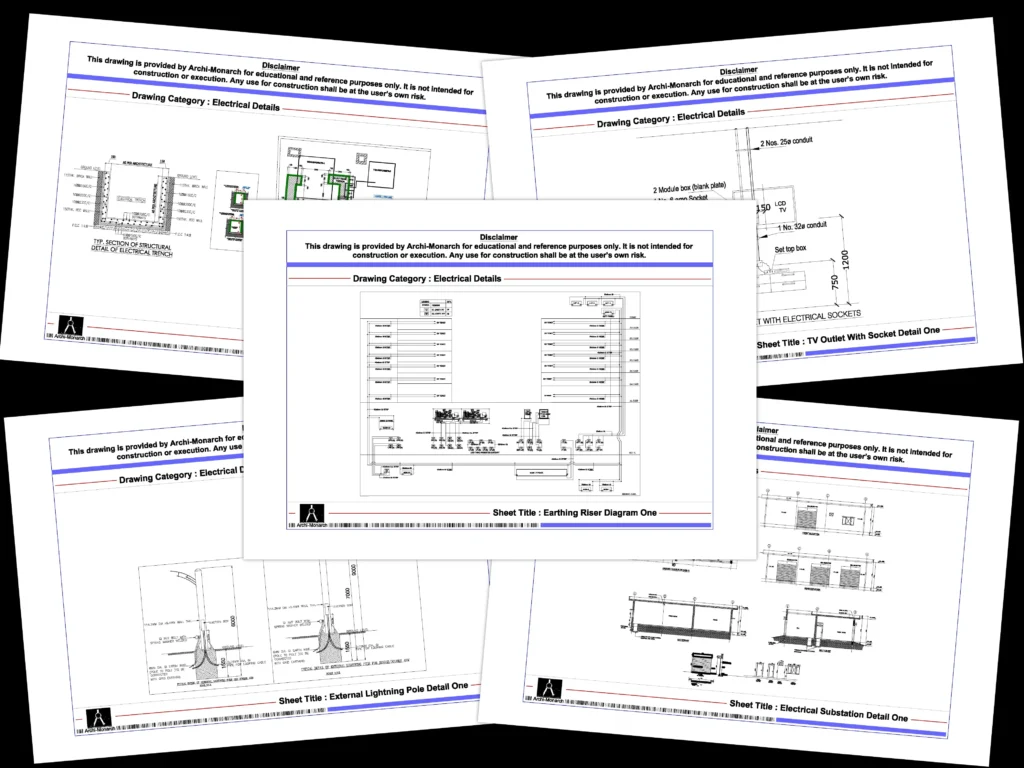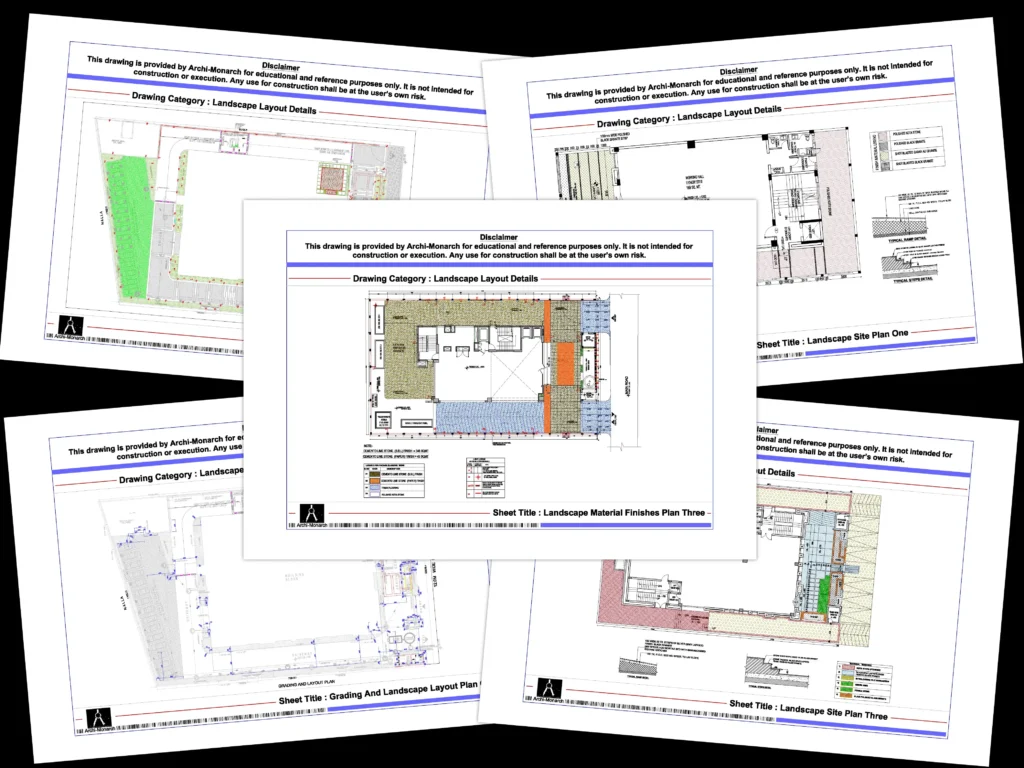
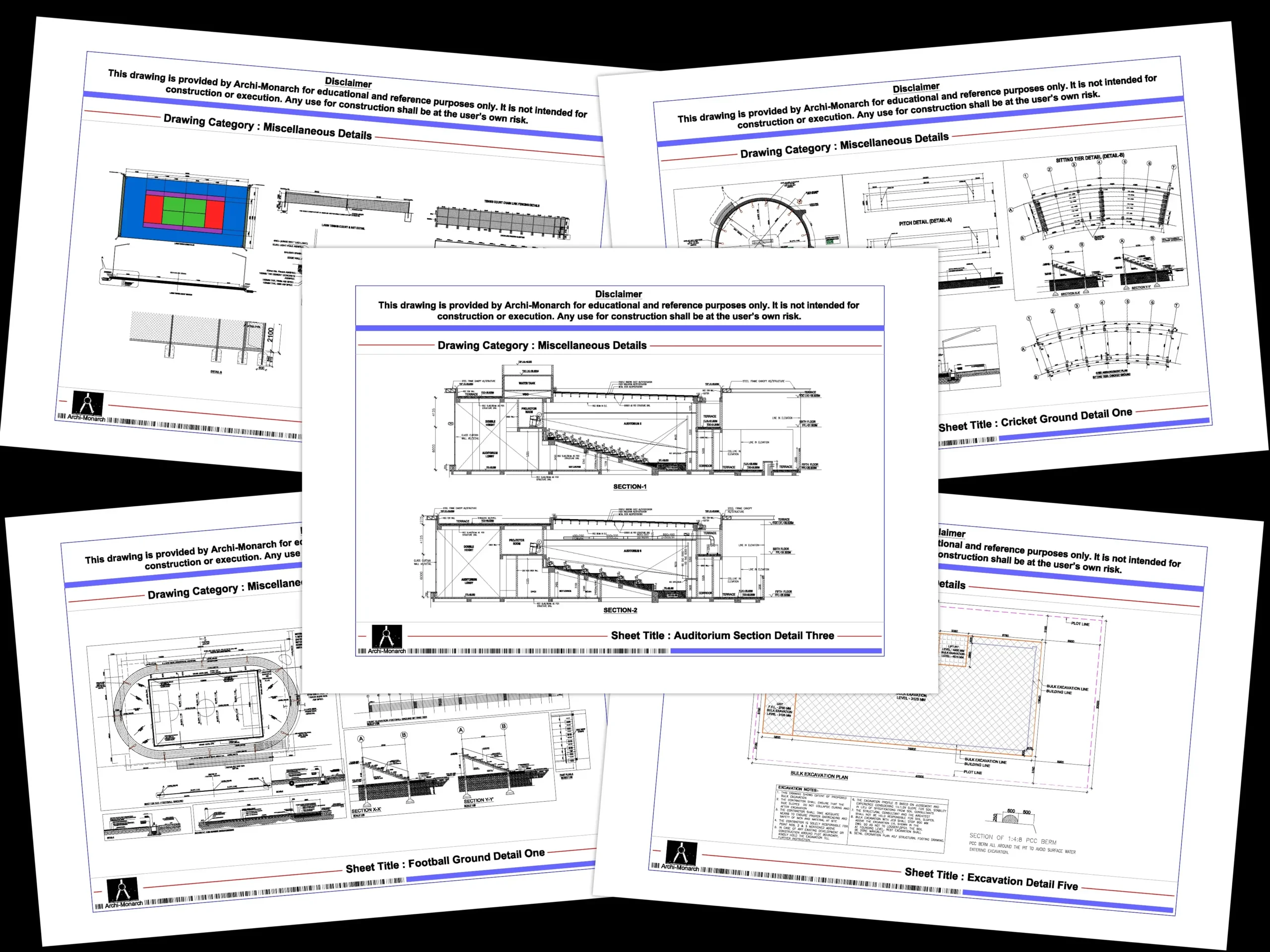
Essential Architectural Drawings for Accurate Construction
Miscellaneous details form an important part of architectural documentation. These details cover small but critical elements that do not fall under major categories such as staircases, toilets, or structural systems. Well-prepared miscellaneous details improve constructability, coordination, and overall drawing quality.
At Archi-Monarch.in, Miscellaneous Details are available as digital downloadable AutoCAD DWG files for educational and reference use, helping architecture students and beginner architects understand professional detailing standards.
Miscellaneous details are supporting architectural drawings that address specific components, junctions, or elements required for successful execution on site.
Key Characteristics of Miscellaneous Details
These details often complete a drawing set and enhance overall project accuracy.




Even minor components can cause major site issues if not detailed properly.
Why Miscellaneous Details Matter
Miscellaneous details act as a bridge between design intent and site execution.
Miscellaneous details vary based on project type and design requirements.
1. Architectural Junction Details
These include wall–floor junctions, wall–ceiling connections, and material transitions.
2. Door and Window Supporting Details
Such details show lintel levels, sill treatments, frame fixing methods, and sealant joints.
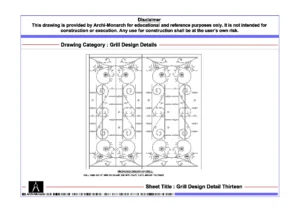
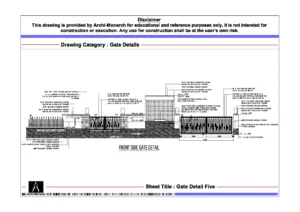
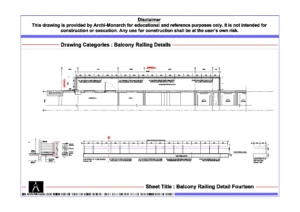
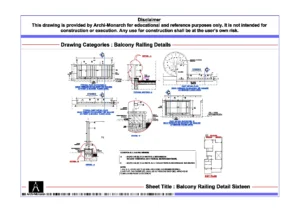
3. Railing, Grating, and Small Fabrication Details
These drawings help define fabrication dimensions and fixing points.
4. Service Coordination Details
These include sleeve details, pipe cut-outs, and service openings through slabs and walls.
5. Finishing and Edge Details
Finishing details ensure clean edges, proper slopes, and accurate material termination.
Each miscellaneous detail focuses on clarity and execution.
Typical Components Included
Clear components make details easy to interpret on site.
Ready-to-use miscellaneous details offer practical advantages.
Key Benefits
These details help users maintain consistency across drawing sets.
Following best practices ensures clarity and constructability.
Recommended Best Practices
Good detailing improves communication between architects and site teams.
Architects and students should use miscellaneous details strategically.
Practical Usage Tips
Proper usage ensures seamless execution.
Miscellaneous details serve multiple architectural applications.
Common Use Cases
They enhance both practical and educational outcomes.
Learning architectural detailing requires exposure to real-world examples.
Educational Importance
Archi-Monarch.in provides miscellaneous details tailored for educational and reference use.
Miscellaneous details may appear minor, but they play a crucial role in architectural drawings. Accurate detailing improves clarity, reduces site errors, and ensures smooth project execution. For architecture students and beginner architects, miscellaneous details serve as valuable learning tools that strengthen technical skills.
Archi-Monarch.in offers downloadable AutoCAD DWG Miscellaneous Details to support architectural education and professional reference needs.
Readers interested in Miscellaneous Details may also explore:
Related Architectural Categories
These related resources help users develop a comprehensive understanding of sustainable site planning, building services coordination, and professional architectural drafting.

Archi-Monarch is an educational architectural knowledge-sharing platform. All content is provided for learning and reference purposes only.
Copyright © 2026 Archi-Monarch. All Rights Reserved.
No drawings in the cart.