
Septic Tank & STP Details
A Complete Guide for Architects and Architecture Students
Efficient wastewater management is a fundamental requirement in modern building design. Septic Tanks and Sewage Treatment Plants (STPs) play a crucial role in collecting, treating, and disposing of wastewater safely while protecting public health and the environment. Proper detailing of these systems ensures operational efficiency, regulatory compliance, durability, and ease of maintenance.
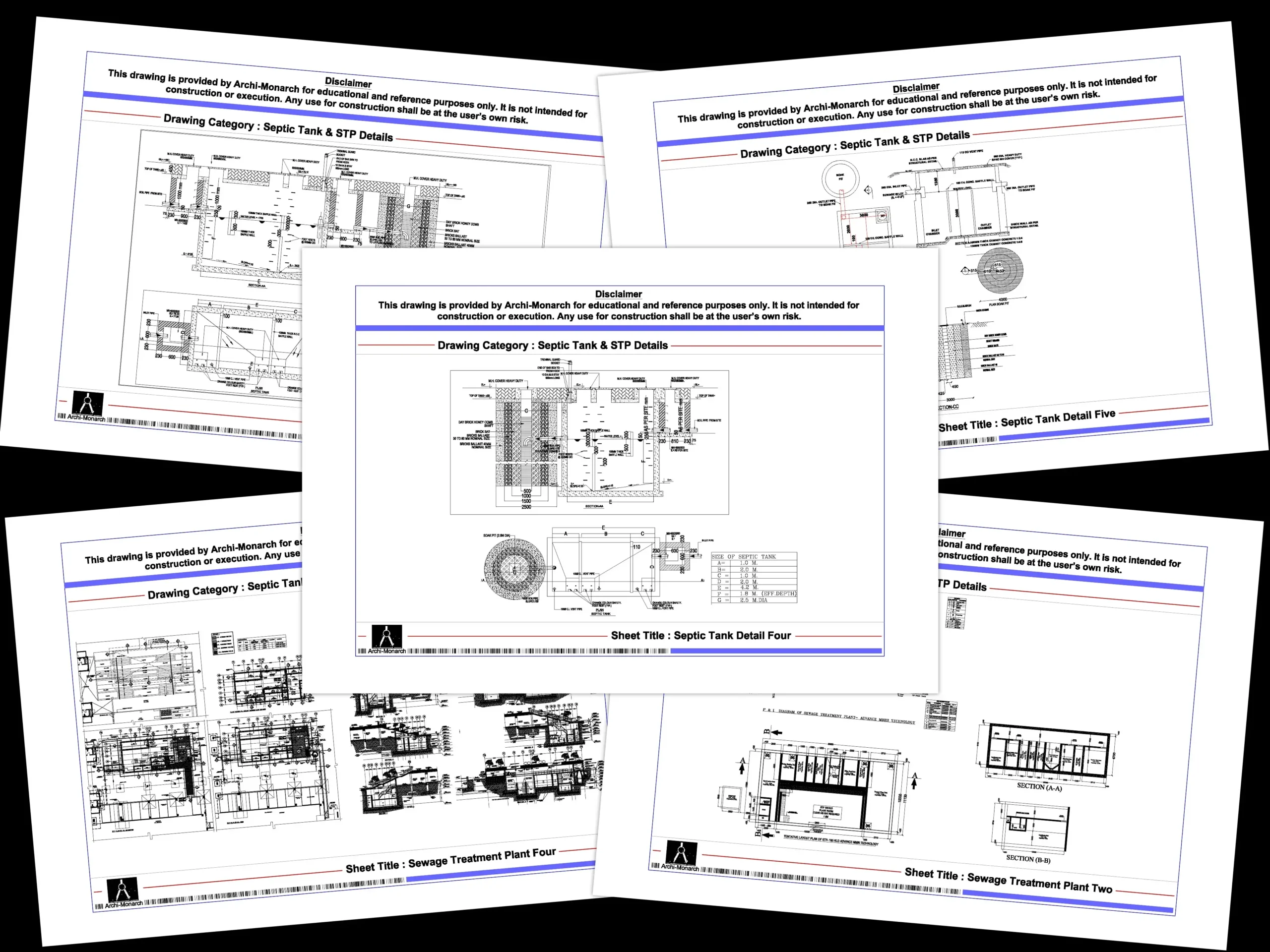
At Archi-Monarch.in, Septic Tank & STP Details are available as digital downloadable AutoCAD DWG files for educational and reference use, helping architecture students, designers, and drafting professionals understand industry-standard wastewater treatment and sanitation system detailing practices.
What Are Septic Tank & STP Details?
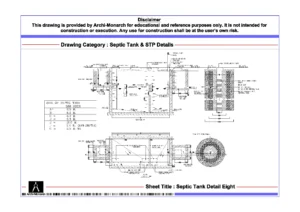
Septic Tank & STP Details are technical architectural and engineering drawings that illustrate the planning, dimensions, structural construction, plumbing connections, treatment chambers, equipment layouts, and maintenance provisions of wastewater treatment systems.
These drawings typically include:
- Septic tank plans and sections
- STP layout drawings
- Inlet and outlet pipe details
- Inspection chamber details
- Vent pipe arrangements
- Structural reinforcement details
- Equipment room layouts
- Drainage and treatment flow diagrams
Proper detailing ensures safe wastewater treatment, efficient operation, and long-term system performance.
-
-38%
 Quick view
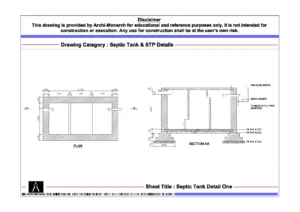
Septic Tank Detail One
₹40.0Original price was: ₹40.0.₹25.0Current price is: ₹25.0. Add to cartAdd to WishlistAdd to Wishlist -
-15%
 Quick view
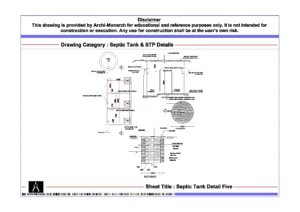
Septic Tank Detail Five
₹175.0Original price was: ₹175.0.₹149.0Current price is: ₹149.0. Add to cartAdd to WishlistAdd to Wishlist -
-12%
 Quick view
Septic Tank Detail Eight
₹225.0Original price was: ₹225.0.₹199.0Current price is: ₹199.0. Add to cartAdd to WishlistAdd to Wishlist
Importance of Septic Tank & STP Details in Architectural Design
Wastewater treatment infrastructure is essential for maintaining hygiene and environmental sustainability.
Why Septic Tank & STP Details Matter
- Support safe wastewater disposal
- Protect groundwater resources
- Improve sanitation standards
- Meet environmental regulations
- Reduce pollution risks
- Enhance building sustainability
- Facilitate maintenance and inspection
Well-designed systems contribute significantly to public health and responsible building development.
Understanding Septic Tank Systems
A septic tank is an underground wastewater treatment structure commonly used where centralized sewer systems are unavailable.
Components of a Septic Tank
Inlet Chamber
Receives wastewater from the building drainage system.
Settling Chamber
Allows solid particles to settle while separating grease and floating materials.
Outlet Chamber
Transfers partially treated wastewater for further treatment or disposal.
Ventilation System
Prevents gas accumulation and supports proper biological activity.
Access Covers
Allow inspection, cleaning, and maintenance operations.
Benefits of Septic Tank Systems
- Cost-effective wastewater treatment
- Simple operation
- Low maintenance requirements
- Suitable for rural and low-density developments
- Long service life with proper maintenance
Understanding Sewage Treatment Plant (STP) Systems
An STP is a more advanced wastewater treatment system used in medium- and large-scale developments.
Purpose of an STP
An STP treats wastewater through multiple stages before discharge or reuse.
Common Applications
- Residential complexes
- Commercial buildings
- Hotels and resorts
- Hospitals
- Educational institutions
- Industrial developments
Components of STP Details
A sewage treatment plant consists of several interconnected treatment units.
1. Collection Tank Details
Collects wastewater from the building drainage network.
Functions
- Initial wastewater storage
- Flow regulation
- Pumping coordination
2. Equalization Tank Details
Balances fluctuations in wastewater flow and quality.
Benefits
- Stable treatment performance
- Improved process efficiency
3. Aeration Tank Details
Supports biological treatment processes.
Typical Components
- Diffusers
- Air blowers
- Aeration systems
This stage helps break down organic contaminants.
4. Clarifier Details
Separates treated water from suspended solids.
Functions
- Sedimentation
- Sludge collection
- Water clarification
5. Treated Water Tank Details
Stores treated water before reuse or discharge.
Common Uses
- Landscape irrigation
- Flushing systems
- Cooling towers
- General non-potable applications
Types of Septic Tank & STP Details
Different project requirements require different treatment systems.
Residential Septic Tank Details
Designed for individual houses and small residential developments.
Features
- Compact design
- Simple operation
- Low maintenance
Residential STP Details
Used in apartment complexes and gated communities.
Advantages
- Higher treatment efficiency
- Water recycling opportunities
- Reduced environmental impact
Commercial STP Details
Designed for larger wastewater volumes.
Common Applications
- Office buildings
- Shopping centers
- Hotels
Industrial STP Details
Used for facilities generating significant wastewater loads.
Key Requirements
- Enhanced treatment processes
- Specialized equipment
- Environmental compliance
Common Components Included in Septic Tank & STP Details
Professional drawings contain several technical elements necessary for construction and operation.
Essential Components
Architectural Plans
Show equipment locations, treatment units, and access routes.
Structural Sections
Illustrate tank construction and reinforcement requirements.
Plumbing Layouts
Define wastewater flow paths and piping systems.
Equipment Details
Show pumps, blowers, diffusers, and treatment equipment.
Inspection Chamber Details
Provide maintenance and monitoring access.
Construction Notes
Include specifications and installation guidelines.
These elements help ensure accurate execution and long-term functionality.
Benefits of Using Septic Tank & STP Details from Archi-Monarch.in
Professionally prepared DWG drawings provide significant educational and practical value.
Key Benefits
- Ready-to-use AutoCAD DWG files
- Industry-standard detailing practices
- Educational and reference-focused resources
- Improved understanding of wastewater systems
- Time-saving drafting support
- Easy customization for project requirements
These resources assist students and professionals in developing high-quality construction documentation.
Best Practices for Septic Tank & STP Detailing
Successful wastewater system design requires careful planning and coordination.
Select Appropriate System Capacity
Design systems based on occupancy levels and projected wastewater generation.
Ensure Easy Maintenance Access
Provide manholes, inspection covers, and service access points.
Coordinate with Site Planning
Integrate treatment facilities within the overall site infrastructure.
Consider Future Expansion
Allow flexibility for increased wastewater demand.
Prioritize Structural Durability
Use suitable materials and waterproofing systems.
Comply with Local Regulations
Follow applicable environmental and wastewater treatment standards.
How to Create Effective Septic Tank & STP Details
Developing professional wastewater treatment drawings requires a systematic workflow.
Step-by-Step Process
1. Assess Wastewater Requirements
Calculate expected wastewater generation and treatment capacity.
2. Select Appropriate Treatment System
Determine whether a septic tank, STP, or hybrid solution is required.
3. Develop Treatment Layouts
Plan tanks, equipment, and flow sequences.
4. Coordinate Plumbing Infrastructure
Integrate drainage systems and treatment facilities.
5. Prepare Detailed Drawings
Create plans, sections, elevations, and construction details.
6. Verify Accessibility and Safety
Ensure maintenance and operational requirements are met.
Use Cases of Septic Tank & STP Details
Wastewater treatment systems are required in a wide variety of projects.
Common Applications
- Residential houses
- Villas and farmhouses
- Apartment complexes
- Commercial buildings
- Hotels and resorts
- Educational institutions
- Hospitals
- Industrial facilities
- Mixed-use developments
- Township projects
Each project requires treatment systems tailored to occupancy and wastewater generation levels.
Septic Tank & STP Details for Educational and Reference Use
Wastewater treatment systems are an important topic in architectural and building services education.
Educational Benefits
- Learn wastewater management principles
- Understand sanitation infrastructure
- Improve technical drafting skills
- Develop multidisciplinary coordination knowledge
- Study plumbing and environmental systems
- Strengthen professional portfolios
Archi-Monarch.in provides Septic Tank & STP Details specifically for educational and reference use, helping students and professionals gain practical exposure to wastewater treatment planning and construction documentation.
Conclusion
Septic Tank & STP Details are essential components of modern building infrastructure, ensuring safe wastewater treatment, environmental protection, and regulatory compliance. Proper detailing improves operational efficiency, maintenance accessibility, structural durability, and long-term system performance.
For architecture students, designers, and drafting professionals, understanding wastewater treatment systems is a valuable skill that strengthens technical expertise and construction documentation capabilities.
Archi-Monarch.in offers professionally drafted Septic Tank & STP Details in AutoCAD DWG format for educational and reference use, helping users improve their knowledge of sanitation infrastructure, wastewater management, and architectural detailing practices.
Internal-Link-Friendly Related Topics
Readers interested in Septic Tank & STP Details may also explore:
Related Architectural Categories
- Water Tank Details
- OHT Details
- Kitchen Plumbing Details
- Toilet Details
- Fire Fighting Details
- Architectural Construction Details
- Guard & Meter Room Details
- Architectural Standard Details
- AutoCAD Blocks
- SketchUp Files
These resources help users build a comprehensive understanding of building services, plumbing systems, and construction detailing.
Recent Posts
Blog Categories
Featured Drawings
-
-15%
 Quick view
Toilet Detail Fifty
₹350.0Original price was: ₹350.0.₹299.0Current price is: ₹299.0. Add to cartAdd to WishlistAdd to Wishlist -
-34%
 Quick view
Ramp Detail One
₹300.0Original price was: ₹300.0.₹199.0Current price is: ₹199.0. Add to cartAdd to WishlistAdd to Wishlist -
-25%
 Quick view
Ramp Detail Six
₹300.0Original price was: ₹300.0.₹225.0Current price is: ₹225.0. Add to cartAdd to WishlistAdd to Wishlist -
-15%
 Quick view
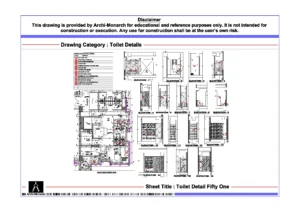
Toilet Detail Fifty One
₹350.0Original price was: ₹350.0.₹299.0Current price is: ₹299.0. Add to cartAdd to WishlistAdd to Wishlist -
-15%
 Quick view
Toilet Detail Fifty Two
₹350.0Original price was: ₹350.0.₹299.0Current price is: ₹299.0. Add to cartAdd to WishlistAdd to Wishlist -
-35%
 Quick view
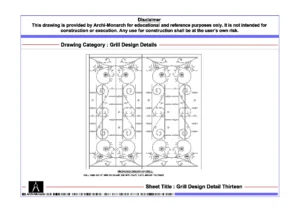
Grill Design Detail Thirteen
₹75.0Original price was: ₹75.0.₹49.0Current price is: ₹49.0. Add to cartAdd to WishlistAdd to Wishlist -
-30%
 Quick view
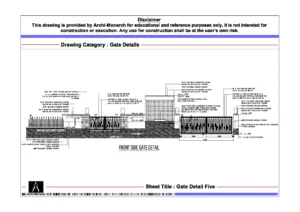
Gate Detail Five
₹250.0Original price was: ₹250.0.₹175.0Current price is: ₹175.0. Add to cartAdd to WishlistAdd to Wishlist -
-15%
 Quick view
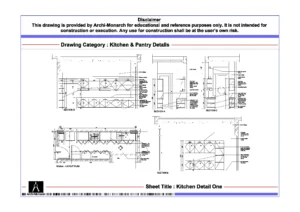
Kitchen Detail One
₹175.0Original price was: ₹175.0.₹149.0Current price is: ₹149.0. Add to cartAdd to WishlistAdd to Wishlist -
-57%
 Quick view
Balcony Railing Detail Fourteen
₹175.0Original price was: ₹175.0.₹75.0Current price is: ₹75.0. Add to cartAdd to WishlistAdd to Wishlist -
-34%
 Quick view
Balcony Railing Detail Sixteen
₹150.0Original price was: ₹150.0.₹99.0Current price is: ₹99.0. Add to cartAdd to WishlistAdd to Wishlist