
Flooring Details
A Complete Guide for Architects and Architecture Students
Flooring is one of the most important components of architectural design, influencing a building’s functionality, durability, aesthetics, and user experience. Beyond its visual appeal, a properly detailed flooring system provides structural support, wear resistance, moisture protection, thermal performance, and ease of maintenance. Accurate flooring details are essential for ensuring that floor finishes are installed correctly and perform efficiently throughout the building’s lifespan.
Professional flooring detailing helps architects, engineers, interior designers, and contractors coordinate construction activities while minimizing installation errors and material wastage.
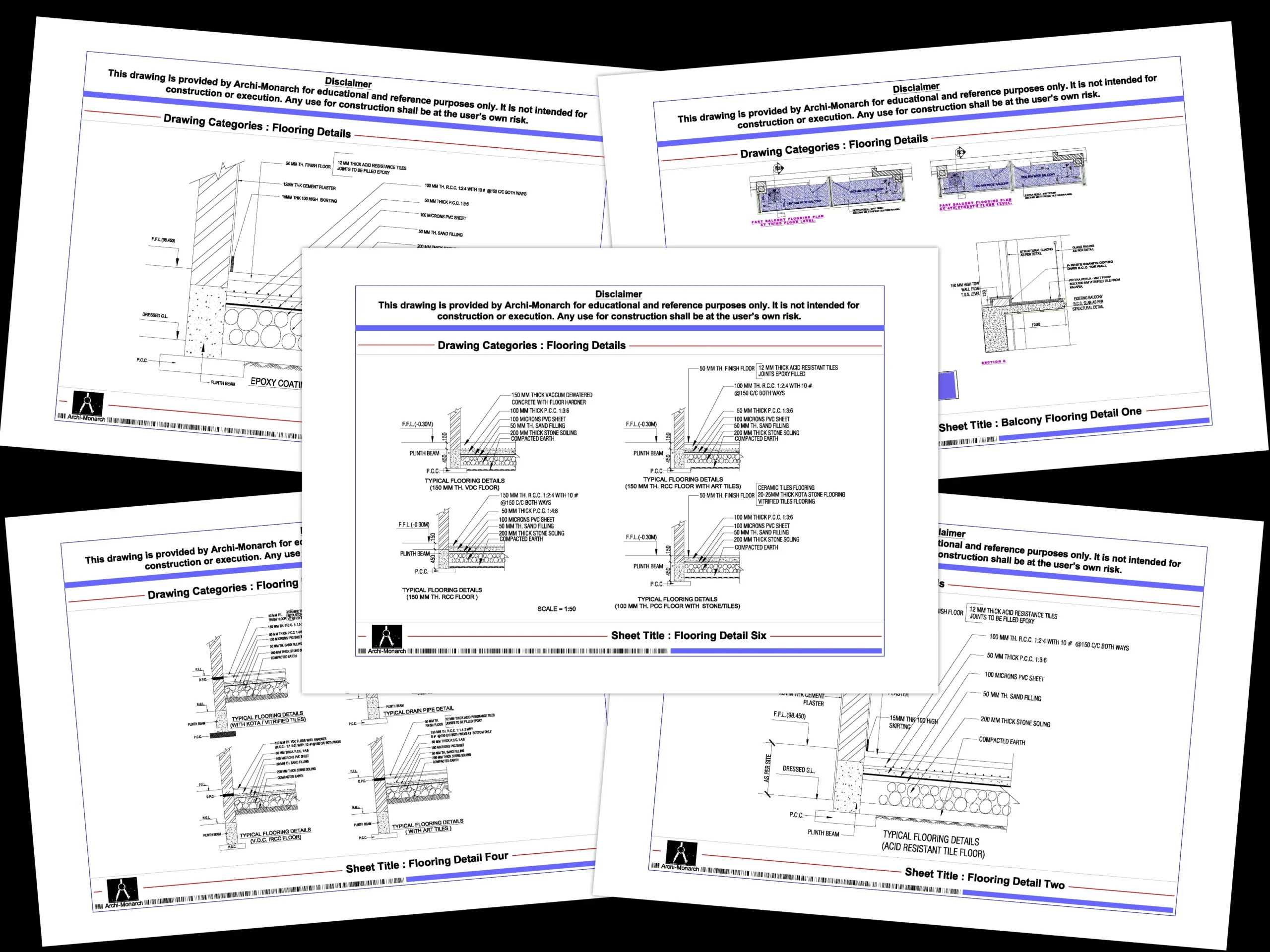
At Archi-Monarch.in, Flooring Details are available as digital downloadable AutoCAD DWG files for educational and reference use, helping architecture students, designers, and drafting professionals understand industry-standard flooring systems, construction methods, and architectural detailing practices.
What Are Flooring Details?
Flooring Details are technical architectural drawings that illustrate the construction, assembly, materials, junctions, and installation methods of floor systems within a building. These drawings define how floor finishes integrate with structural slabs, screeds, waterproofing layers, skirting, expansion joints, and adjacent building elements.
A typical flooring detail drawing may include:
- Floor finish layout plans
- Floor build-up sections
- Tile flooring details
- Marble and granite flooring details
- Wooden flooring details
- Vinyl flooring details
- Epoxy flooring details
- Expansion joint details
- Skirting details
- Waterproof flooring junctions
- Threshold details
- Floor level transitions
These drawings ensure accurate execution while maintaining quality, durability, and design consistency.
-
-40%
 Quick view
Flooring Detail One
₹125.0Original price was: ₹125.0.₹75.0Current price is: ₹75.0. Add to cartAdd to WishlistAdd to Wishlist -
-25%
 Quick view
Flooring Detail Five
₹60.0Original price was: ₹60.0.₹45.0Current price is: ₹45.0. Add to cartAdd to WishlistAdd to Wishlist -
-30%
 Quick view
Balcony Flooring Detail One
₹100.0Original price was: ₹100.0.₹70.0Current price is: ₹70.0. Add to cartAdd to WishlistAdd to Wishlist -
-33%
 Quick view
Terrace Flooring Detail One
₹30.0Original price was: ₹30.0.₹20.0Current price is: ₹20.0. Add to cartAdd to WishlistAdd to Wishlist -
-57%
 Quick view
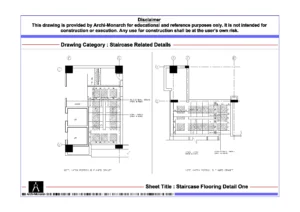
Staircase Flooring Detail One
₹35.0Original price was: ₹35.0.₹15.0Current price is: ₹15.0. Add to cartAdd to WishlistAdd to Wishlist -
-23%
 Quick view
Flooring Junction Detail One
₹175.0Original price was: ₹175.0.₹135.0Current price is: ₹135.0. Add to cartAdd to WishlistAdd to Wishlist
Importance of Flooring Details in Architectural Design
Flooring systems affect both the appearance and performance of a building.
Why Flooring Details Matter
- Ensure proper installation of floor finishes
- Improve durability and service life
- Prevent moisture-related failures
- Maintain consistent floor levels
- Enhance safety through slip-resistant finishes
- Improve aesthetic continuity
- Reduce maintenance requirements
- Coordinate architectural and structural systems
Well-prepared flooring details help achieve high-quality construction and long-term building performance.
Components of a Flooring System
A flooring system consists of multiple layers working together to provide structural support and a finished walking surface.
1. Structural Floor Slab
The structural slab forms the foundation of the flooring system.
Common Types
- Reinforced Cement Concrete (RCC) slab
- Post-tensioned slab
- Composite floor slab
Functions
- Carry structural loads
- Support flooring materials
- Provide a stable base for floor construction
2. Screed Layer
A screed provides a smooth and level surface for installing floor finishes.
Benefits
- Corrects floor levels
- Supports floor finishes
- Improves surface flatness
Proper screed thickness contributes to durable flooring installation.
3. Waterproofing Layer
Waterproofing is essential in wet areas and external spaces.
Typical Applications
- Toilets
- Bathrooms
- Kitchens
- Balconies
- Terraces
- Utility areas
Proper waterproofing protects structural elements and prevents leakage.
4. Floor Finish Layer
The visible flooring material defines the appearance and functionality of the space.
Common Flooring Materials
- Ceramic tiles
- Vitrified tiles
- Porcelain tiles
- Marble
- Granite
- Kota stone
- Wooden flooring
- Vinyl flooring
- Epoxy flooring
- Terrazzo flooring
- Concrete flooring
Material selection depends on project requirements, durability, aesthetics, and maintenance needs.
5. Skirting Details
Skirting protects walls and creates a clean transition between the floor and wall.
Common Materials
- Tile skirting
- Stone skirting
- Wooden skirting
- PVC skirting
- Metal skirting
6. Expansion Joint Details
Expansion joints accommodate movement caused by temperature changes and structural settlement.
Benefits
- Prevent cracking
- Improve floor longevity
- Reduce stress within floor finishes
Types of Flooring Details
Different building types require specialized flooring systems.
Tile Flooring Details
Tile flooring is widely used in residential and commercial projects.
Advantages
- Durable
- Easy to maintain
- Moisture resistant
- Wide range of finishes
Marble Flooring Details
Marble provides a premium architectural appearance.
Features
- Elegant finish
- Long service life
- High aesthetic value
Commonly used in luxury residences, hotels, and commercial buildings.
Granite Flooring Details
Granite flooring offers exceptional strength and wear resistance.
Applications
- Lobbies
- Staircases
- Public buildings
- High-traffic areas
Wooden Flooring Details
Wood flooring enhances warmth and interior aesthetics.
Types
- Solid wood
- Engineered wood
- Laminate flooring
Widely used in residential and hospitality projects.
Epoxy Flooring Details
Epoxy flooring provides seamless and highly durable surfaces.
Common Applications
- Hospitals
- Laboratories
- Industrial facilities
- Parking areas
Raised Access Flooring Details
Raised flooring systems provide space for building services.
Benefits
- Flexible cable management
- Easy maintenance
- Adaptable office layouts
Common in commercial office buildings and data centers.
Common Components Included in Flooring Details
Professional flooring drawings include several technical elements.
Essential Components
Floor Finish Plans
Show flooring patterns, materials, and room layouts.
Construction Sections
Illustrate complete floor build-up and layer assembly.
Junction Details
Show transitions between different flooring materials.
Waterproofing Details
Specify waterproof membrane installation and protection.
Expansion Joint Details
Define movement joints and sealing systems.
Material Specifications
Identify flooring materials, finishes, adhesives, and installation methods.
Construction Notes
Provide technical instructions and quality requirements.
These drawings ensure proper coordination during construction.
Benefits of Using Flooring Details from Archi-Monarch.in
Professionally drafted flooring drawings offer significant educational and practical advantages.
Key Benefits
- Ready-to-use AutoCAD DWG files
- Industry-standard architectural detailing
- Educational and reference-focused resources
- Improved understanding of flooring construction
- Time-saving drafting support
- Easy customization for different project types
- Better coordination between architecture and interior design
These resources help users develop technical knowledge and professional drafting skills.
Best Practices for Flooring Detailing
Successful flooring design requires careful planning and execution.
Select Appropriate Flooring Materials
Choose materials based on function, durability, and maintenance requirements.
Maintain Consistent Floor Levels
Coordinate floor heights across adjacent spaces.
Detail Waterproofing Carefully
Protect wet areas from moisture penetration.
Provide Expansion Joints
Allow movement without damaging floor finishes.
Coordinate with Building Services
Integrate flooring with electrical, plumbing, and HVAC systems.
Ensure Proper Surface Preparation
Prepare clean, level substrates before installation.
How to Create Effective Flooring Details
Professional flooring drawings follow a systematic process.
Step-by-Step Process
1. Identify Space Requirements
Determine functional and aesthetic needs.
2. Select Flooring Materials
Choose suitable finishes based on project specifications.
3. Develop Floor Build-Up
Coordinate structural slab, screed, waterproofing, and finish layers.
4. Prepare Detailed Drawings
Create plans, sections, enlarged details, and material schedules.
5. Coordinate Adjacent Elements
Integrate flooring with walls, doors, stairs, and service installations.
6. Verify Installation Requirements
Review construction details before project execution.
Use Cases of Flooring Details
Flooring systems are required in virtually every building project.
Common Applications
- Residential houses
- Villas
- Apartment complexes
- Commercial office buildings
- Shopping malls
- Hotels and resorts
- Hospitals
- Educational institutions
- Industrial facilities
- Airports
- Metro stations
- Public infrastructure projects
Each project requires flooring systems tailored to functional, structural, and aesthetic requirements.
Flooring Details for Educational and Reference Use
Floor detailing is a fundamental aspect of architectural education and construction documentation.
Educational Benefits
- Learn flooring construction principles
- Understand floor build-up systems
- Improve AutoCAD drafting skills
- Study material specifications
- Develop multidisciplinary coordination knowledge
- Build professional portfolios
Archi-Monarch.in provides Flooring Details specifically for educational and reference use, helping students and professionals gain practical exposure to flooring design, material selection, and construction detailing.
Conclusion
Flooring Details are an essential part of architectural construction documentation, ensuring that floor systems are durable, aesthetically pleasing, and correctly installed. Proper detailing improves construction quality, moisture protection, safety, maintenance, and long-term building performance.
For architecture students, designers, and drafting professionals, understanding flooring systems is a valuable skill that enhances technical expertise and construction documentation capabilities.
Archi-Monarch.in offers professionally prepared Flooring Details in AutoCAD DWG format for educational and reference use, helping users strengthen their understanding of flooring construction, floor finish installation, waterproofing systems, material coordination, and industry-standard architectural detailing.
Internal-Link-Friendly Related Topics
Readers interested in Flooring Details may also explore:
Related Architectural Categories
- Architectural Construction Details
- Interior Standard Details
- Toilet Details
- Kitchen Details
- Staircase Details
- Ramp Details
- Roof Details
- Door & Window Details
- Balcony Railing Details
- Working Drawings
- Architectural Standard Details
- AutoCAD Blocks
- SketchUp Files
These resources help users develop a comprehensive understanding of architectural detailing, construction documentation, interior finishes, and material coordination.
Recent Posts
Blog Categories
Featured Drawings
-
-15%
 Quick view
Toilet Detail Fifty
₹350.0Original price was: ₹350.0.₹299.0Current price is: ₹299.0. Add to cartAdd to WishlistAdd to Wishlist -
-34%
 Quick view
Ramp Detail One
₹300.0Original price was: ₹300.0.₹199.0Current price is: ₹199.0. Add to cartAdd to WishlistAdd to Wishlist -
-25%
 Quick view
Ramp Detail Six
₹300.0Original price was: ₹300.0.₹225.0Current price is: ₹225.0. Add to cartAdd to WishlistAdd to Wishlist -
-15%
 Quick view
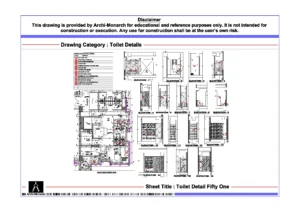
Toilet Detail Fifty One
₹350.0Original price was: ₹350.0.₹299.0Current price is: ₹299.0. Add to cartAdd to WishlistAdd to Wishlist -
-15%
 Quick view
Toilet Detail Fifty Two
₹350.0Original price was: ₹350.0.₹299.0Current price is: ₹299.0. Add to cartAdd to WishlistAdd to Wishlist -
-35%
 Quick view
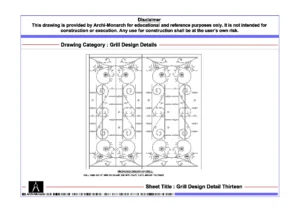
Grill Design Detail Thirteen
₹75.0Original price was: ₹75.0.₹49.0Current price is: ₹49.0. Add to cartAdd to WishlistAdd to Wishlist -
-30%
 Quick view
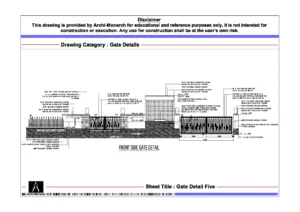
Gate Detail Five
₹250.0Original price was: ₹250.0.₹175.0Current price is: ₹175.0. Add to cartAdd to WishlistAdd to Wishlist -
-15%
 Quick view
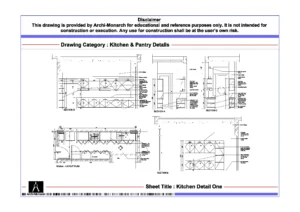
Kitchen Detail One
₹175.0Original price was: ₹175.0.₹149.0Current price is: ₹149.0. Add to cartAdd to WishlistAdd to Wishlist -
-57%
 Quick view
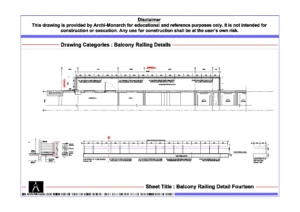
Balcony Railing Detail Fourteen
₹175.0Original price was: ₹175.0.₹75.0Current price is: ₹75.0. Add to cartAdd to WishlistAdd to Wishlist -
-34%
 Quick view
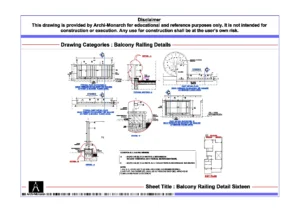
Balcony Railing Detail Sixteen
₹150.0Original price was: ₹150.0.₹99.0Current price is: ₹99.0. Add to cartAdd to WishlistAdd to Wishlist