
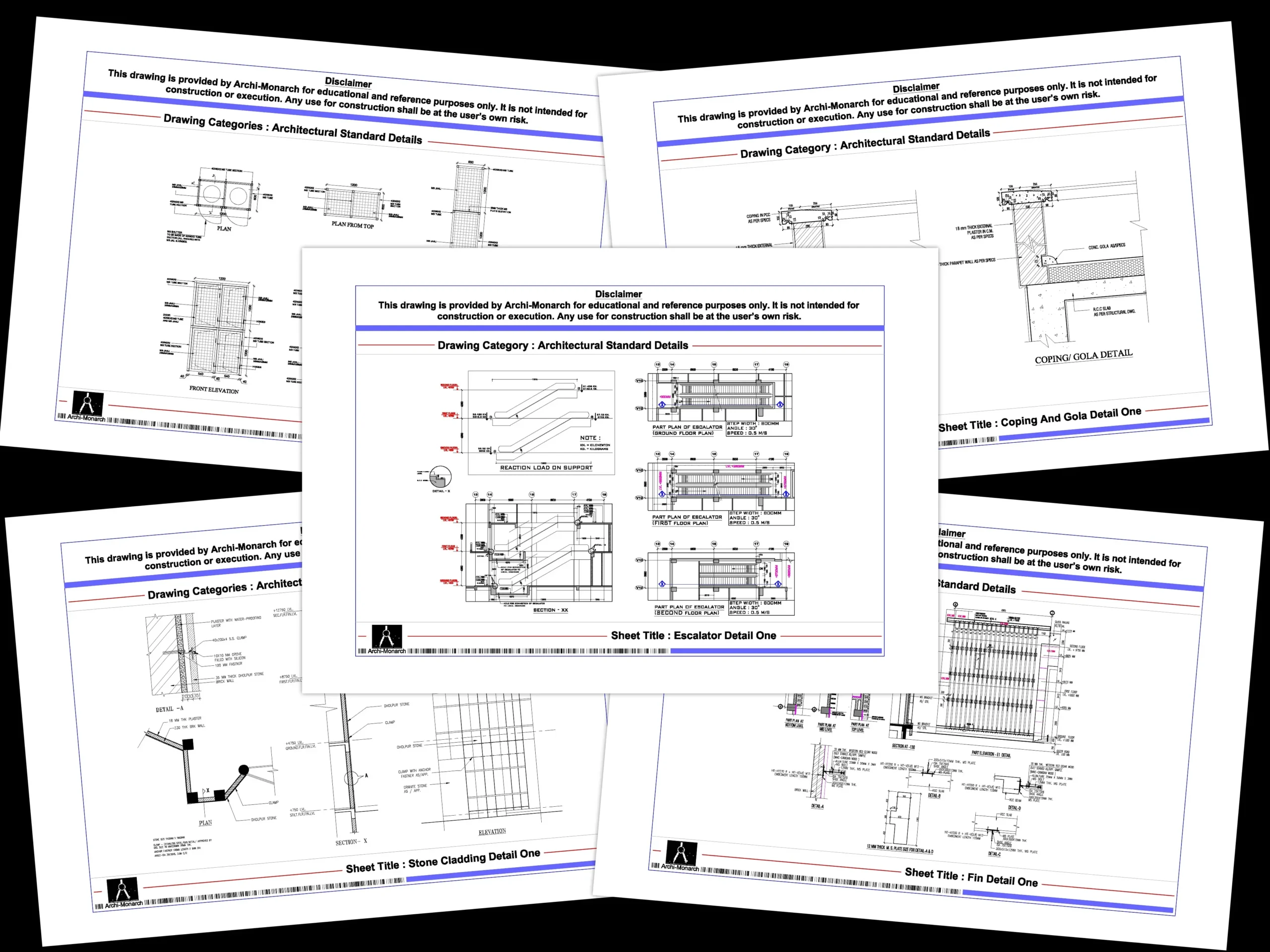
A Complete Guide for Architects and Architecture Students
Architectural Standard Details form the backbone of accurate construction documentation. They define how building components connect, perform, and comply with established architectural practices. Architects, students, and designers rely on these details to produce clear, buildable, and standardized drawings.
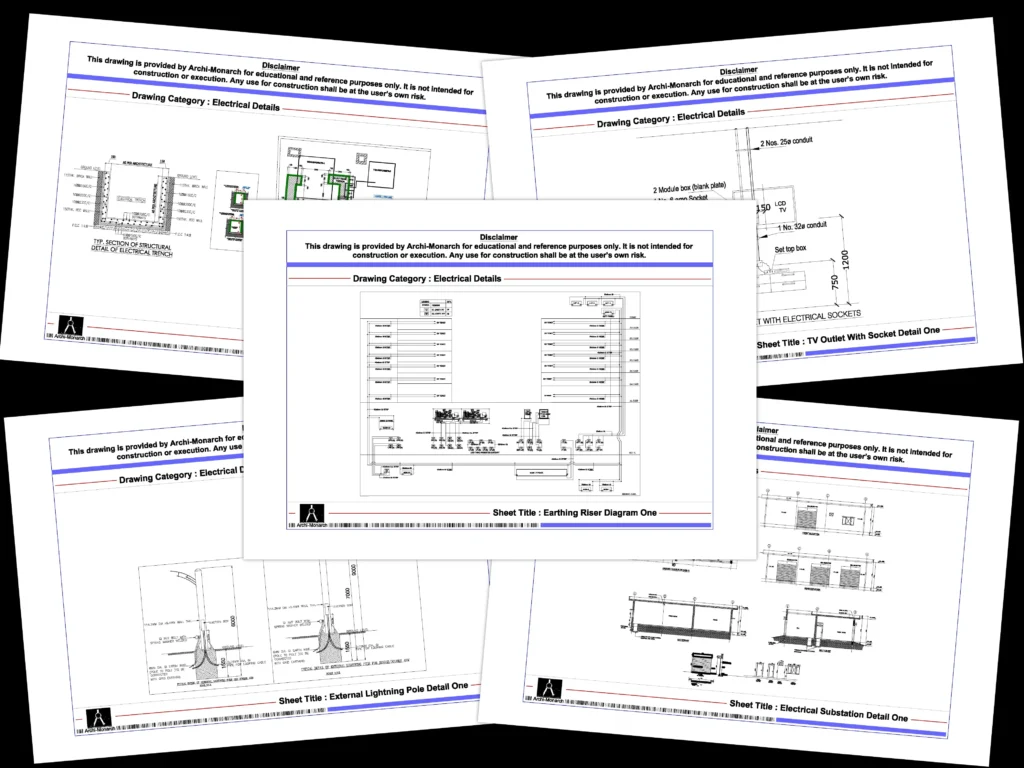
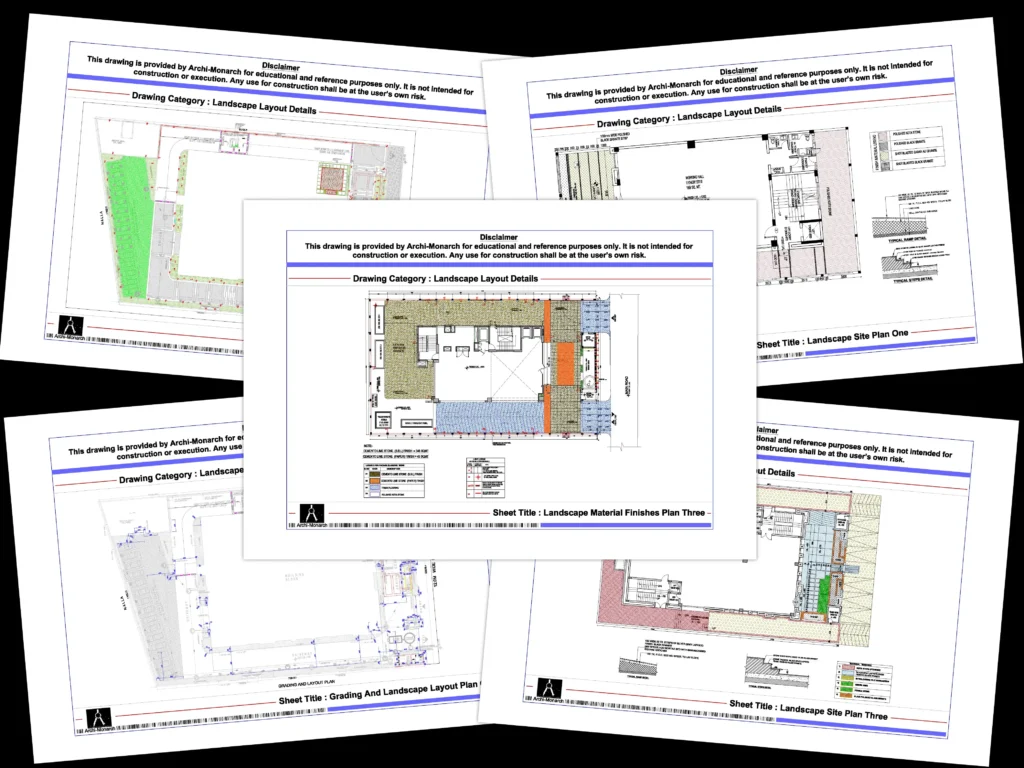
At Archi-Monarch.in, Architectural Standard Details are provided as digital downloadable AutoCAD DWG files for educational and reference use, helping architecture students and beginner architects understand real-world construction detailing.
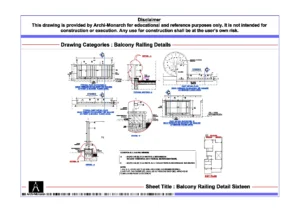
Architectural Standard Details are pre-defined technical drawings that illustrate commonly used construction methods, materials, and junctions in buildings. These details follow industry norms and architectural best practices.
Key Characteristics of Standard Details
Standard details ensure clarity between design intent and on-site execution.
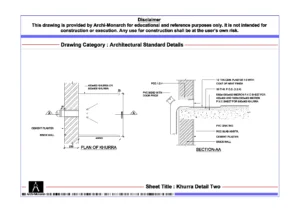

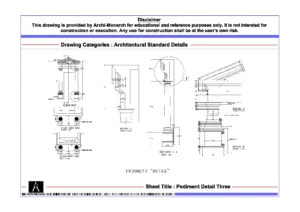
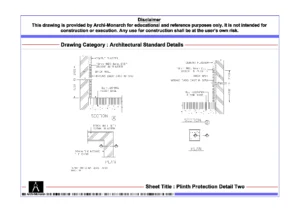
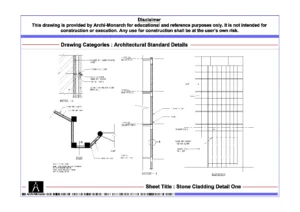


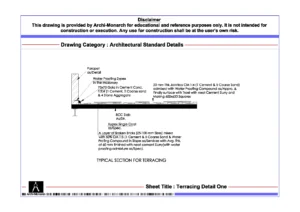
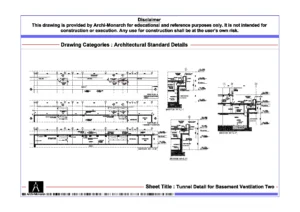
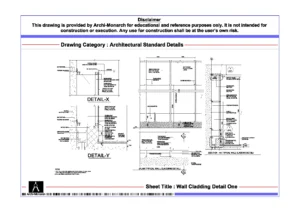
Standard details play a crucial role in translating design concepts into buildable solutions.
Why Architects Use Standard Details
Using standard details helps architects deliver professional and reliable drawing sets.
Architectural detailing covers a wide range of building components.
1. Structural Coordination Details
These details show interfaces between architectural and structural elements such as slabs, beams, columns, and foundations.
2. Door and Window Details
Door and window details define frames, shutters, sills, lintels, and fixing methods in plan, section, and elevation.
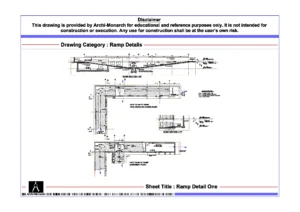
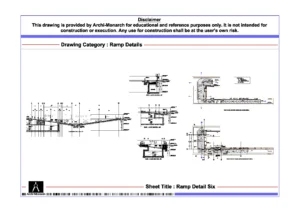
3. Staircase and Ramp Details
These details include riser-tread dimensions, handrails, landings, and accessibility considerations.
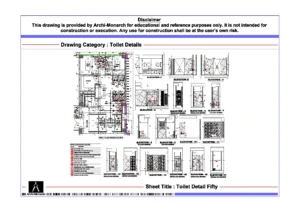
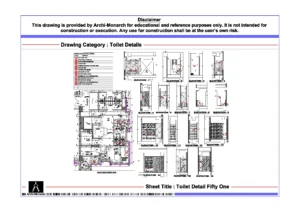
4. Toilet and Sanitary Details
Standard toilet details illustrate fixtures, waterproofing layers, floor slopes, and plumbing coordination.
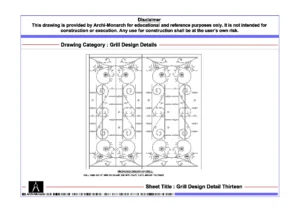
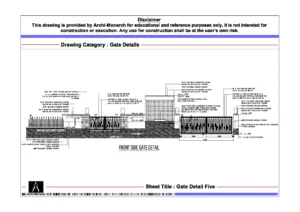
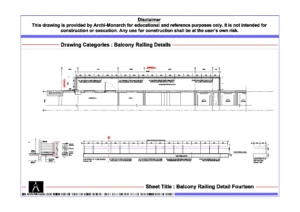
5. Gate, Fencing, and Boundary Details
These drawings cover material specifications, fixing methods, and height standards for external elements.
Architectural Standard Details appear throughout working drawing sets.
Frequently Used Detail Categories
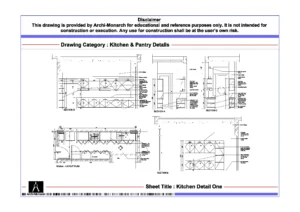
Many of these details are available as AutoCAD DWG files on Archi-Monarch.in for reference and learning.
Using ready-made standard details provides several advantages, especially for learners.
Key Benefits
These details help users focus on design logic rather than repetitive drafting.
Proper use of standard details ensures drawing accuracy and efficiency.
Recommended Best Practices
Following these practices ensures professional documentation.
Standard details often require adjustments to suit specific projects.
Customization Tips
Customization ensures that standard details remain relevant and buildable.
Architectural Standard Details support various stages of design and education.
Practical Use Cases
They act as a bridge between theory and practical construction knowledge.
Educational platforms focus on teaching real-world architectural practices.
Why Standard Details Matter in Education
Archi-Monarch.in provides these resources specifically for educational and reference use.
Architectural Standard Details are essential for creating accurate, consistent, and buildable architectural drawings. They save time, reduce errors, and improve coordination across disciplines. For students and beginner architects, standard details serve as a valuable learning resource that bridges academic knowledge and real-world practice.
Archi-Monarch.in offers downloadable AutoCAD DWG architectural standard details designed to support architectural education and reference-based learning.
Readers interested in Architectural Standard Details may also explore:
Related Architectural Categories
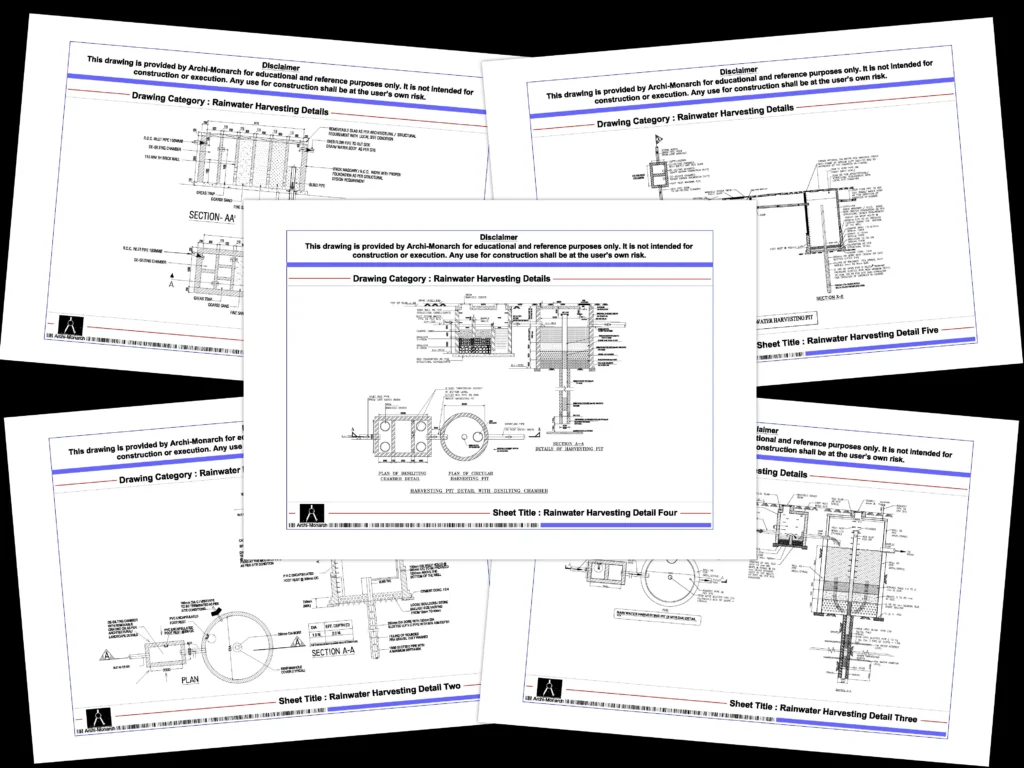
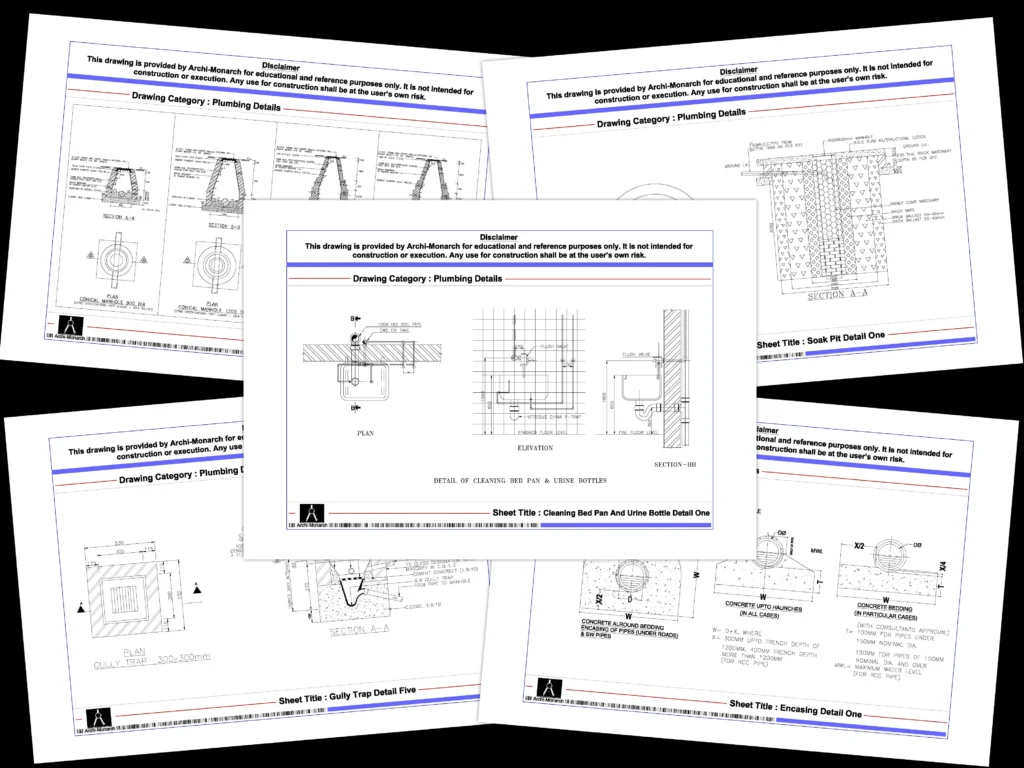
These related resources help users develop a comprehensive understanding of sustainable site planning, building services coordination, and professional architectural drafting.

Archi-Monarch is an educational architectural knowledge-sharing platform. All content is provided for learning and reference purposes only.
Copyright © 2026 Archi-Monarch. All Rights Reserved.
No drawings in the cart.
I likewise believe hence, perfectly pent post! .